
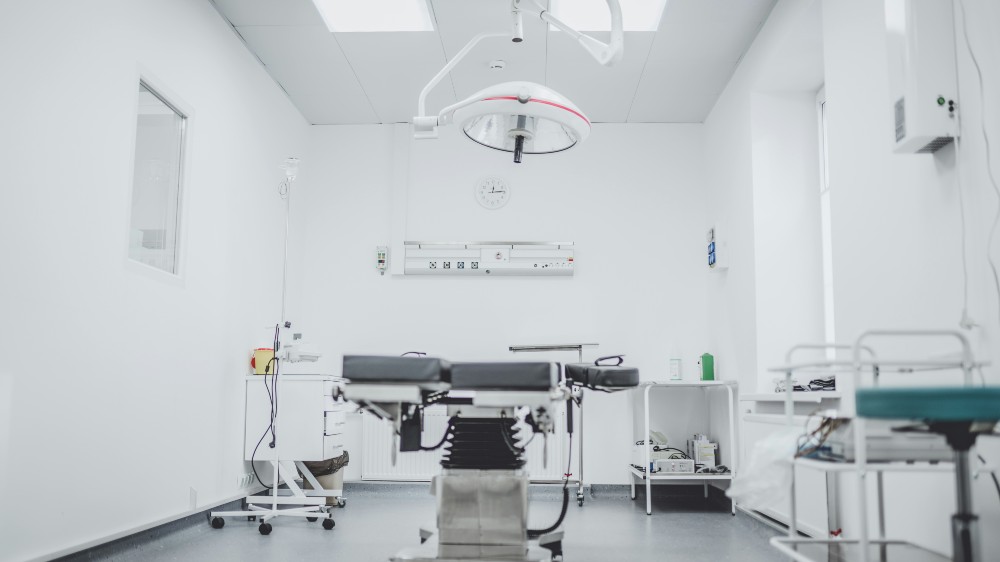
Colonoscopy procedures are essential for detecting and preventing serious health issues, such as colorectal cancer. However, for many, the idea of having one can cause anxiety.
In addition, when colonoscopy side effects occur, they can increase distress and create uncertainty.
In some cases, these issues stem from what’s known as a botched colonoscopy—a procedure that was performed incorrectly or incompletely, potentially causing serious harm.
You Are Not Overreacting
Something Doesn’t Feel Right After Your Colonoscopy. That Matters.
Persistent pain, bleeding, or fever after a routine procedure is never something to just wait out.
You went in expecting routine care, not fear and uncertainty. Poulos & Cavazos will listen to what happened, explain your options in plain language, and help you find out whether your care fell short, with no pressure and no judgment.
Schedule A Free ConsultationA botched colonoscopy occurs when the procedure is improperly performed, causing harm or failing to complete the examination. Common complications include bleeding, perforation, or missed diagnoses. Mistakes in bowel preparation or technique often lead to these outcomes, resulting in patient injury or the need for additional procedures.
At Poulos & Cavazos, LLP, we understand the sensitivity surrounding colonoscopies and the impact of potential complications.
If you believe you’re experiencing issues after a colonoscopy, you may wonder if legal recourse is an option. In this article, we’ll explore:
- The signs of colonoscopy complications,
- Errors during a colonoscopy that can cause complications,
- Determining liability considerations, and
- Your legal options to receive financial compensation.
If you have questions, please contact us today.
Know Where You Stand
Colonoscopy Complications: What New Mexico Patients Should Know
If a routine colonoscopy left you with more than a normal recovery, understanding how these cases are evaluated under New Mexico law can help you decide on next steps.
- A colonoscopy complication can stem from bowel perforation, missed bleeding, inadequate bowel preparation, or a sedation error, not just bad luck.
- Physicians and endoscopy staff are held to a professional standard of care before, during, and after the procedure, and deviating from it can support a malpractice claim.
- Symptoms of a serious complication, such as worsening abdominal pain, fever, or heavy bleeding, can appear hours or even days after you go home.
- Requesting your colonoscopy report, pathology results, and anesthesia records early helps preserve the evidence needed to support a New Mexico claim.
Signs of Colonoscopy Complications and Timing
Colonoscopy complications can vary, with symptoms appearing immediately after the procedure or days later.
It’s important to be aware of any unusual symptoms and seek medical attention promptly. Here are some common aftereffects of colonoscopy and potential complications to watch for:
- Persistent abdominal pain—pain in the abdomen that persists or worsens after the procedure can indicate complications such as perforation or inflammation of the colon;
- Rectal bleeding—bleeding from the rectum, especially if it is continuous or significant, may be a sign of complications like injury to the colon wall or bleeding from a polyp removal site;
- Fever—a persistent fever following a colonoscopy could indicate an infection, which may occur if bacteria enter the bloodstream due to a perforation or other complications;
- Changes in bowel habits—significant changes in bowel movements, such as diarrhea, constipation, or the presence of mucus or blood in the stool, can indicate underlying issues post-colonoscopy;
- Nausea and vomiting—persistent nausea or vomiting after the procedure may signal complications such as bowel obstruction or reaction to anesthesia; and
- Difficulty breathing or chest pain—in rare cases, complications like pulmonary embolism or cardiac issues may manifest as difficulty breathing or chest pain.
It’s important to note that while these symptoms can be associated with colonoscopy complications, they can also have other causes. If you experience any of these symptoms or have concerns after a colonoscopy, seek medical attention promptly for proper evaluation and treatment.
How Long After a Colonoscopy Can Complications Arise?
Complications from a colonoscopy can arise within a few hours to several days after the procedure. While most patients recover without significant issues, it’s essential to be aware of potential complications and seek medical attention promptly if any concerning symptoms develop. Let’s discuss some common complications and their typical timeframes.
Immediate Complications
Some complications, such as perforation of the colon or bleeding, can occur during the colonoscopy procedure itself. Typically, the medical team performing the colonoscopy detects and manages such issues immediately.
Early Post-Procedure Complications
After a colonoscopy, patients may experience mild to moderate side effects like bloating, cramps, nausea, diarrhea, fatigue, or minor rectal bleeding, which usually resolve within a few days. Rare but serious complications can include colon perforation, infection, persistent bleeding, or allergic reactions to anesthesia. Medical attention should be sought for severe pain, vomiting, heavy bleeding, breathing issues, or infection symptoms such as fever or chills. Patients should avoid strenuous activity for 24 hours, follow dietary and medication instructions, and take antibiotics if advised after a biopsy or polyp removal.
Delayed Complications
After a colonoscopy, it’s common for bowel movements to be irregular. You might experience changes, such as loose stools, due to the medication used during the procedure. If bowel movements haven’t returned to normal after 5 days, it’s important to consult your doctor for further guidance.
More serious complications, such as infection, bleeding, or bowel perforation, may not be immediately apparent and can arise within a few days after the colonoscopy. Symptoms of these complications may include severe abdominal pain, persistent bleeding, fever, chills, or changes in bowel habits.
Has a Loved One Suffered a Colonoscopy Complication? Reach Out to Us For a Free Consultation
Types of Errors During a Colonoscopy
Several errors can occur during a colonoscopy, potentially leading to complications or adverse outcomes. It’s important to note that while these colonoscopy errors can certainly occur, most colonoscopies are performed safely and effectively.
However, patients should be aware of potential risks, communicate any concerns or symptoms to their healthcare providers, and follow post-procedure instructions for optimal recovery. If an error does occur, you may have legal recourse. Here are some common errors associated with colonoscopies:
- Incomplete examination. If your doctor fails to examine the entire colon thoroughly, he or she can miss abnormalities. Failing to detect lesions or detect and remove polyps—especially larger or precancerous ones—can result in missed opportunities for early intervention and colorectal cancer prevention.
- Poor bowel preparation. Inadequate cleansing of the colon before the procedure can hinder visibility and make it challenging to identify abnormalities. This can increase the risk of missed diagnoses.
- Perforation. Accidental perforation or puncture of the colon wall during the colonoscopy procedure can cause serious complications, including infection or peritonitis. It might also result in the need for surgical intervention.
- Bleeding. Biopsy or polyp removal during a colonoscopy can sometimes lead to bleeding. While minor bleeding is common and usually resolves on its own, excessive or persistent bleeding may require further medical attention.
- Instrumentation errors. Improper handling or use of colonoscopy instruments can cause damage to the colon lining, leading to complications such as perforation, bleeding, or discomfort.
- Sedation-related issues. Administering anesthesia or sedation during the procedure carries risks, including respiratory problems, allergic reactions, or medication errors that can impact patient safety.
- Misinterpretation of findings. Incorrectly interpreting colonoscopy findings or pathology results can lead to misdiagnosis or inappropriate management of colorectal conditions.
If you know what to look for, you might be able to get medical help more quickly after a colonoscopy error.
Liability and Legal Claims for Complications from a Colonoscopy
Determining liability for colonoscopy complications involves assessing the actions of medical professionals, including gastroenterologists, nurses, anesthesiologists, and the facility where the procedure took place.
If negligence or substandard care contributed to your complications, you may have a legal claim for medical malpractice.
Medical malpractice occurs when a healthcare professional deviates from the professional standard of care, resulting in harm to the patient. It is important to work with an experienced malpractice attorney who can help you prove that the medical provider failed to meet the reasonable standard of care.
For You and Your Family
Watching Someone You Love Struggle After a Colonoscopy Is Frightening.
When a routine procedure turns into days of pain, fever, or uncertainty, it is normal to feel scared and unsure of what to do next.
You do not have to sort through the medical and legal questions on your own. Poulos & Cavazos will sit down with you and your family, review what happened, and help you understand what comes next.
Schedule A Free ConsultationLegal Options for Recovery and the Role of an Attorney
Seeking legal guidance in such cases is essential.
At Poulos & Cavazos, LLP, our team work closely with medical professionals to help evaluate your case thoroughly. We work diligently to identify expert witnesses who can review your case and testify on your behalf.
Our goal is to prepare your case for trial while pursuing a fair settlement that compensates you for your damages, including medical expenses, lost wages, and pain and suffering.
And remember that holding a negligent healthcare provider accountable is not just about seeking compensation. It’s about ensuring that medical personnel adhere to professional standards of care, preventing similar incidents from happening to others, and promoting accountability within the healthcare system.
By taking legal action, you contribute to improving patient safety and provider accountability.
Straight Answers
More Questions About Colonoscopy Complications
Filing a colonoscopy complications claim in New Mexico raises practical questions beyond the medical warning signs. Here are answers to what clients ask us most.
Yes. Even a successfully repaired perforation can support a claim if it caused added pain, extra procedures, longer recovery, or increased medical costs. Whether the case qualifies depends on whether the original error fell below the accepted standard of care.
Most colonoscopy malpractice cases are handled on contingency, so you pay no upfront legal fees. Poulos & Cavazos only collects a fee if your case results in a settlement or verdict, and your initial consultation is free.
Request your colonoscopy and pathology reports, anesthesia records, discharge instructions, and notes from any follow-up or ER visits. These records help an attorney evaluate whether your care fell below the accepted standard before your consultation even begins.
New Mexico generally allows three years from the date of the alleged malpractice to file a claim, though the discovery rule may extend that deadline if the complication was not immediately apparent. An attorney can confirm how this applies to your specific timeline.
You may be contacted by risk management or an insurance adjuster, but you are not required to give a statement without legal counsel. Anything you say can be used to minimize your claim, so it is best to speak with an attorney first.
Contact the Las Cruces Medical Malpractice Lawyers at Poulos & Cavazos for Assistance
If you’re suffering from complications after a colonoscopy and believe negligence played a role, don’t hesitate to reach out to us.
Our experienced team at Poulos & Cavazos, LLP, is here to provide compassionate support, evaluate your case, and advocate for your rights. Contact us today for a confidential consultation.
Serving Southern New Mexico
Serving Patients Across Southern New Mexico After Colonoscopy Complications
When a routine colonoscopy leads to a preventable complication, the impact is not confined to one hospital or one town. Poulos & Cavazos represents clients throughout Las Cruces, Alamogordo, and Deming. Explore the map below to see the areas we serve, then reach out for a free, confidential case review.
Schedule A Free ConsultationInteractive map requires JavaScript. Please contact us directly to confirm we serve your area.

Victor Poulos
Vic Poulos & Greig Coates became law partners in April of 2002, when the two medical malpractice litigators merged their offices, combining what is now over seventy years of litigation experience, to form Poulos & Coates, LLP. Licensed to practice before all State Courts of Texas, New Mexico, Iowa, and Kansas. Licensed to practice before the United States District Courts of Kansas, Iowa, New Mexico, and Texas (Western, Eastern, Southern, and Northern Districts of Texas), as well as the United States Court of Appeals for the Fifth Circuit and the U.X. Ax Court.
Rate this Post

 Loading...