

Traumatic brain injury (TBI) shows itself in various ways, ranging from mild disruptions of consciousness to a severe and unrelenting state that can lead to death.
There are many reasons one may not receive treatment for a TBI.
But when the cause involves medical negligence, the injured person may have a claim for compensation under New Mexico’s medical malpractice statute.
An experienced New Mexico brain injury lawyer can help those who have an untreated brain injury. Contact the team at Poulos & Cavazos today to get started.
Symptoms and Risks of an Untreated Traumatic Brain Injury
If you’re asking what happens if a traumatic brain injury goes untreated, here’s what the symptoms and risks can look like over time.
- Short-term symptoms of an untreated TBI often include brain fog, confusion, headaches, light sensitivity, nausea, and vertigo.
- Long-term effects can include mood swings, seizures, paralysis, and cognitive or psychiatric complications depending on where the brain was injured.
- Left untreated, a TBI can lead to serious physical complications such as pneumonia and sepsis from a weakened immune response.
- When a healthcare provider fails to diagnose, misdiagnoses, or fails to properly treat a TBI, that failure may amount to medical malpractice.
The Person You Used to Be Deserves to Be Heard
Living with an undiagnosed or untreated brain injury can feel like losing pieces of yourself, your memory, your patience, your sense of normal. If a doctor missed the signs or brushed off your symptoms, what you’re feeling is valid. We’re here to listen to your story and help you understand what happened, with compassion and without judgment.
Schedule A Free ConsultationUntreated Traumatic Brain Injuries (TBI) & Concussions
Untreated traumatic brain injury (TBI) causes serious, long-term complications that affect quality of life, relationships, and overall health. The primary risks include:
- Cognitive and Psychiatric Issues: Untreated TBI can lead to cognitive impairments and psychiatric problems such as depression, anxiety, and increased risk of suicide.
- Physical Complications: The physical effects of a brain injury may result in fatal complications, including pneumonia and sepsis, due to weakened immune responses.
It’s important to seek immediate medical attention for TBIs to minimize these potential risks and ensure proper care and treatment.
According to a comprehensive study by the Centers for Disease Control (CDC), researchers estimate that nearly 1.4 million TBIs occur in the country every year, including 1.1 million emergency department visits, 235,000 hospitalizations, and 50,000 deaths.
Despite these harrowing statistics, these numbers likely underestimate the actual incidences of TBI because they rely on those who show up at emergency rooms, stay in hospitals, and receive a diagnosis.
Dealing with the effects of brain injury can be frustrating and overwhelming, especially when the condition is misdiagnosed or untreated.
Short-Term Effects of Untreated TBI & Concussions
For milder TBIs, like concussions, individuals may experience migraines, vision changes, balance disruptions, and fatigue.
Although many individuals recover within 60 to 90 days, there are many short-term consequences, such as:
- Brain fog,
- Confusion,
- Headaches,
- Light sensitivity,
- Nausea, and
- Vertigo.
These conditions and symptoms can occur at random times and affect a person’s ability to engage in their activities of daily living.
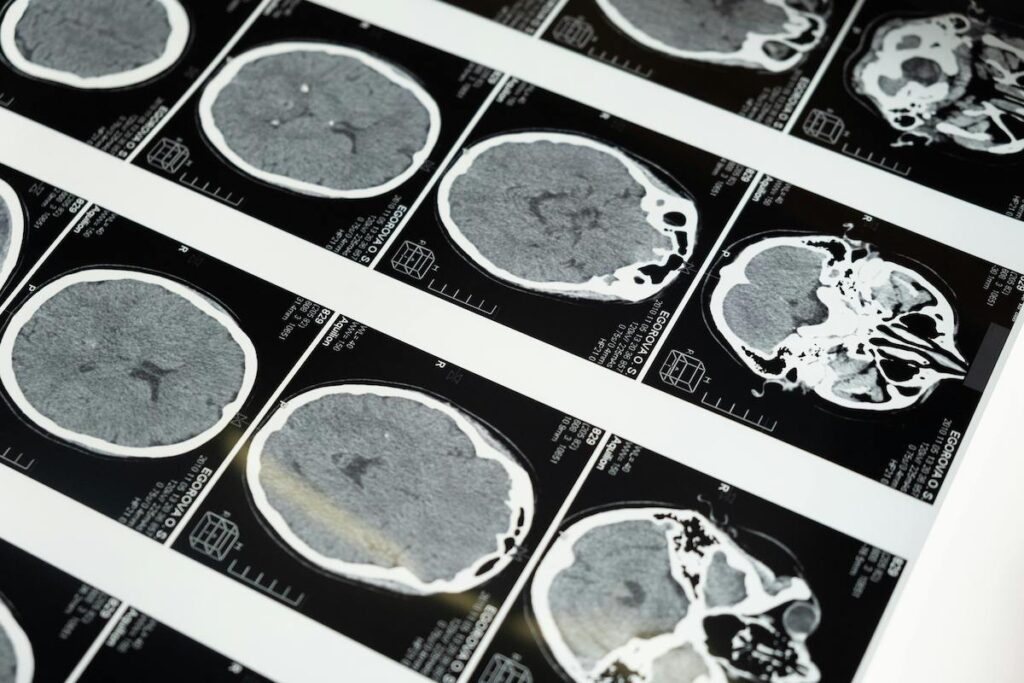
Long-Term Effects of an Untreated TBI
The long-term effects of an untreated TBI hinge primarily on where in the brain the trauma occurred. For instance, injuries to the frontal lobe may impact a person’s reasoning, judgment, and problem-solving ability.
Moreover, injuries to the left side of the brain may create speech, logic, and comprehension issues. In contrast, injuries to the right side of the brain may elicit problems with visual processing and apraxia.
Some other long-term effects of untreated TBI include the following:
- Balance issues,
- Dizziness,
- Fatigue,
- Headaches,
- Mood swings,
- Paralysis, and
- Seizures.
Further, in some cases, those living with an untreated TBI may experience psychiatric problems that increase the likelihood of death by suicide.
Reasons for Untreated Traumatic Brain Injury
With proper health care and community services, many causes of TBI-related issues can be prevented and treated.
While some people choose not to receive treatment for their TBI because of insurance, time, or stigma, many cases go undiagnosed because of the negligence of a medical provider.
Healthcare providers must take all reasonable steps to diagnose and treat patients with any head injury.
Medical providers should determine whether their patient has experienced a TBI and understand the impact of the TBI on the patient’s current condition.
Further, physicians should screen and treat common and late-developing issues, such as depression, substance abuse, and weight changes.
Moreover, healthcare providers need to encourage lifestyles that promote healing and brain health. Healthcare providers who fail to diagnose, misdiagnose, or fail to treat a patient’s TBI may be held liable for medical malpractice.
It’s Not Too Late to Get Real Answers
Whether the missed diagnosis happened last month or years ago, you deserve to understand why it was missed and what it means for your recovery. Our team is ready to walk through your situation with you, explain your options in plain language, and help you decide what feels right, at no cost and with no obligation.
Schedule A Free ConsultationContact a New Mexico TBI Lawyer Today
If you or someone you love experienced a traumatic brain injury and did not receive the appropriate treatment from healthcare professionals, you may have a medical malpractice claim against the provider.
At the New Mexico law firm of Poulos & Cavazos, LLP, our TBI lawyers have over 50 years of experience pursuing compensation on behalf of patients who’ve suffered from inadequate medical care.
Contact Poulos & Cavazos at 575-523-4444 today to learn more and schedule a free consultation with one of our brain injury lawyers.
FAQs About Untreated Traumatic Brain Injury Symptoms
Here are answers to common questions about what happens if a traumatic brain injury goes untreated.
Short-term symptoms often include brain fog, confusion, headaches, light sensitivity, nausea, and vertigo. Most people recover from milder TBIs like concussions within 60 to 90 days, but symptoms can still disrupt daily life during that time.
Long-term effects vary depending on where the injury occurred and can include balance issues, dizziness, fatigue, mood swings, paralysis, and seizures. Injuries to specific areas of the brain may also affect reasoning, speech, or visual processing.
Yes. Untreated traumatic brain injuries can lead to serious physical complications, including pneumonia and sepsis caused by a weakened immune response, as well as psychiatric complications that increase the risk of death by suicide.
It may amount to malpractice when a healthcare provider fails to diagnose, misdiagnoses, or fails to properly treat a patient’s traumatic brain injury. Providers have a duty to screen for TBI symptoms and related issues like depression or substance abuse.
Where You Can Find Our Las Cruces Office Location

Victor Poulos, JD
For more than two decades, Victor Poulos has devoted his practice exclusively to representing patients and families harmed by medical negligence. He has handled complex medical malpractice cases involving hospitals, surgeons, anesthesiologists, and other healthcare providers, and has taken hundreds of depositions of physicians, nurses, and hospital staff across nearly every medical specialty. Mr. Poulos has successfully tried high-stakes malpractice cases to verdict and is known for his meticulous case preparation and relentless advocacy on behalf of injured patients.
Rate this Post

 Loading...